
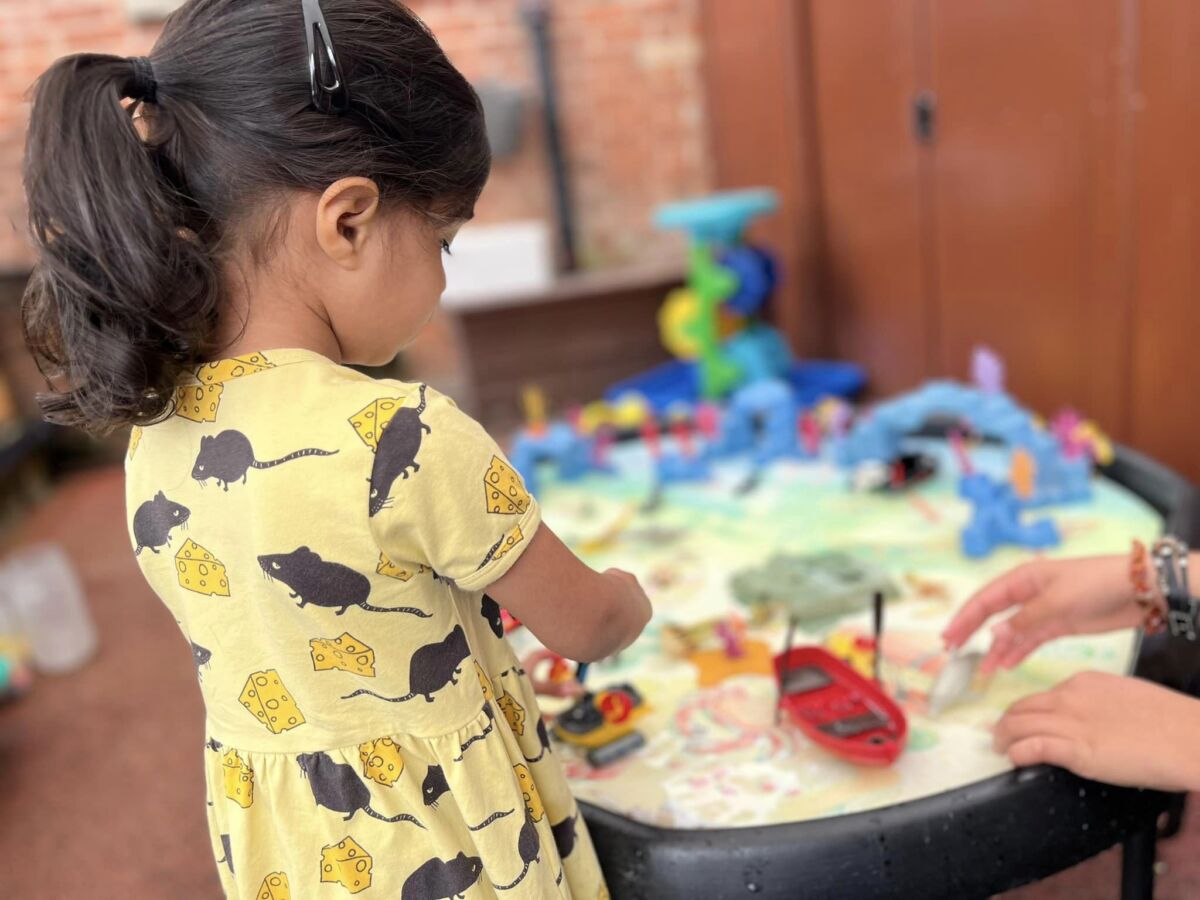
The school bag is missing, breakfast is half-eaten, someone needs a permission slip signed,
and a toddler has chosen this exact moment to reject socks. It can look like chaos from the
outside, but a mother is often doing quick assessment, negotiation, emotional reading, and
planning before the day has properly started.
Those skills do not disappear when the conversation turns to work. Whether a mom is returning
after time at home, changing direction, freelancing, studying, or stepping into a role with more
purpose, everyday parenting can build strengths that belong in meaningful work.
Planning Under Pressure Becomes Second Nature
A family week rarely runs exactly as planned. Appointments move, childcare falls through,
children get sick, groceries run low, and school messages arrive after bedtime. Moms learn to
adjust without needing the whole day to be perfect first.
That kind of planning matters at work because real projects also come with delays, missing
details, and people who need answers quickly. A mother who has managed overlapping needs
at home often brings a strong sense of timing, priority, and follow-through to a workplace.
It is not just multitasking. It is knowing what needs attention now, what can wait, and what will
cause a bigger problem if ignored.
Communication Gets Sharper
Parenting requires constant translation. A child may not say they are overwhelmed, hungry,
scared, or embarrassed. A mother learns to listen for what sits underneath the words, then
respond in a way the child can understand.
That same skill carries into work with clients, coworkers, students, patients, customers, or
community members. Meaningful work often depends on explaining clearly, asking better
questions, and noticing when someone is confused but too polite to say so.
If formal learning is part of a next step, a communication masters program can build on the
communication habits many moms already practice daily, from audience awareness to clearer
messaging and stronger decision-making.
Caregiving Teaches You to Read the Room
Moms often become good at spotting small changes. A quiet child after school, a sibling
argument that is really about jealousy, or a baby’s cry that sounds different from the usual tired
cry can all require a quick read.
In work that involves people, this matters. Reading the room can help in a team meeting, a
difficult conversation, a classroom, a support role, or any job where trust is built through
attention. It also helps moms notice when a process sounds simple on paper but feels confusing
to the person trying to use it.
The wider conversation about work and motherhood often focuses on strain, but stories about
the joy and identity working mothers can find in their careers show that family life and
meaningful work do not have to cancel each other out.
Problem-Solving Becomes More Creative
Moms become used to solving problems with what is available. Dinner from odds and ends in
the fridge. A costume from craft supplies. A homework explanation that finally makes sense
because the first three versions did not.
That creativity is useful in work that needs resourcefulness. A person does not need unlimited
time or money to improve a system, support a client, or lead a small project well. Often,
meaningful work grows from seeing what is in front of you and making it work better.
Boundaries Become Part of the Next Chapter
Mom life can also teach what is not sustainable. Running on empty, saying yes too quickly, or
carrying everyone else’s needs without support eventually has a cost.
That lesson matters when choosing work. The pressure on mothers to appear endlessly
capable is real, and the costs tied to motherhood and career expectations can shape how
women return, negotiate, and grow. Meaningful work should not require pretending family
responsibilities do not exist.
A mother’s next chapter does not have to ignore the skills built at home. Planning,
communication, patience, creativity, and judgment are real strengths. The task is to name them
clearly, value them properly, and look for work where they can be used with purpose.
Disclaimer: This is a collaborative post.